
Generative AI is the most useful and the most over-sold technology of the decade at the same time. It can draft, summarise, translate, code and converse at a level that genuinely changes how work gets done — and it can also state a wrong fact with total confidence. Saudi leaders deserve the honest version: what it is great at, where it fails, and how to capture the upside without the embarrassment.
What generative AI is genuinely great at
Generative models excel at tasks involving language and patterns where a good-enough first draft saves enormous time:
- Drafting. Emails, proposals, job descriptions, product copy, replies — in Arabic and English.
- Summarising. Long threads, documents, meetings and reports into the gist.
- Transforming. Rewriting tone, translating, reformatting, extracting structured data from messy text.
- Answering from sources. When grounded in your documents, it gives sourced answers — the RAG pattern.
- Conversing. Natural, multilingual dialogue for support and sales — the basis of an Arabic AI chatbot.
Used on these, it is a force multiplier. A team can produce a strong first draft in seconds and spend its human time on judgement, nuance and relationships.
The limits you must design around
Now the honest part. Generative AI has real, structural weaknesses:
- Hallucination. Models can produce fluent, confident statements that are simply false — an invented statistic, a non-existent policy, a wrong figure. This is not a bug to be patched away; it is inherent to how the technology works. The mitigation is grounding (RAG) and human review, never blind trust.
- No true understanding. A model predicts plausible text; it does not "know" your business or hold values. It will not flag an answer as unethical or commercially foolish on its own.
- Stale or generic knowledge. Out of the box it does not know your data, your prices, or today's events unless you supply them.
- Sensitivity to phrasing. Small changes in the prompt can change the output. Reliable systems are engineered and tested, not improvised.
- Bias. Models reflect patterns in their training data; outputs need review for fairness, especially in hiring, lending or anything affecting people.
A vendor who does not volunteer these limits is selling, not advising.
Why human-in-the-loop is the answer, not the obstacle
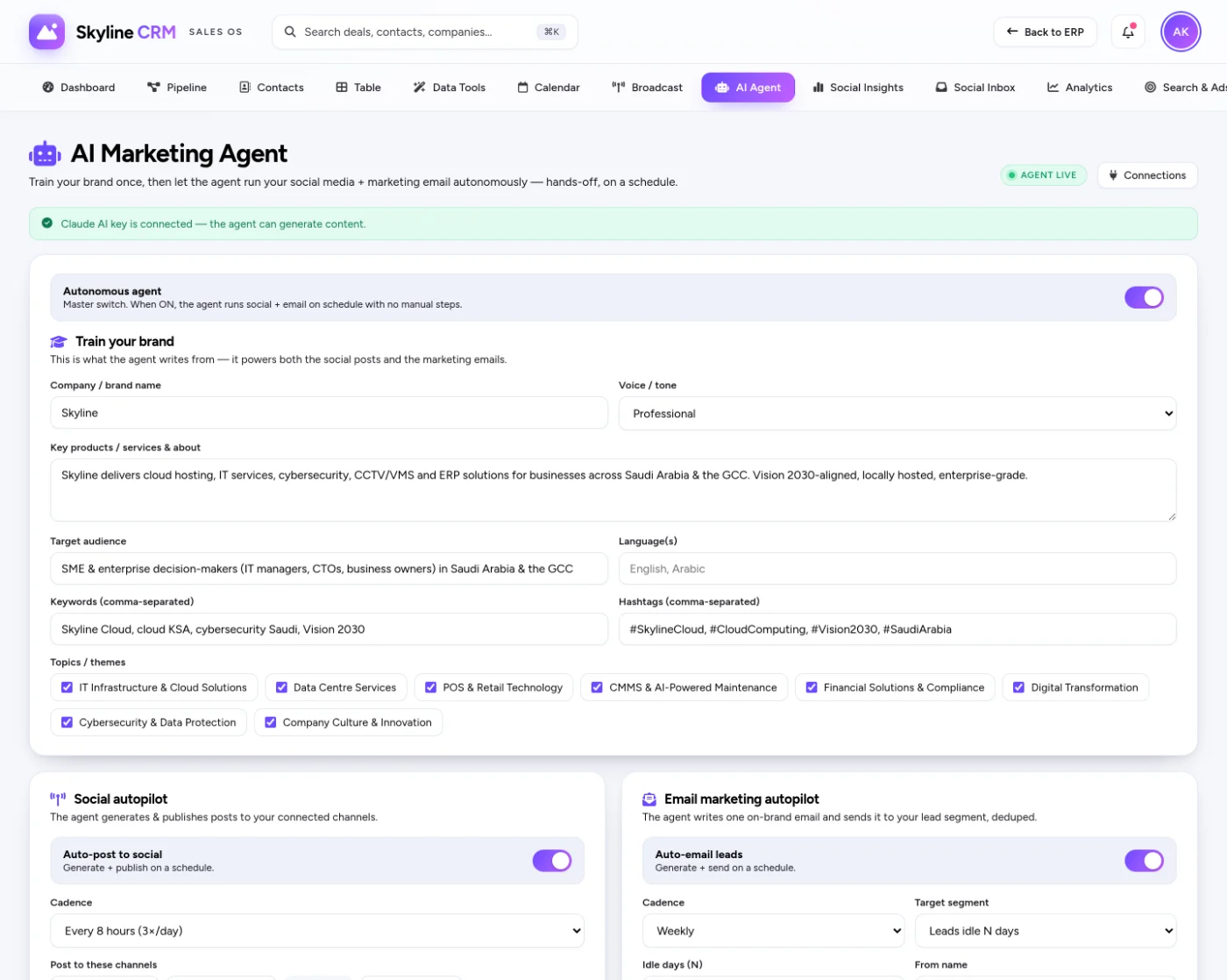
The responsible pattern is not to avoid generative AI; it is to put a human where the cost of error lives. AI drafts, a person approves. AI proposes a route, a person confirms the exception. AI summarises, a person signs off before it informs a decision. This is exactly how Skyline runs AI in its own operation — its email desks and IT-support assistant draft replies for staff to review, they do not send unsupervised. The result is most of the speed with none of the recklessness.
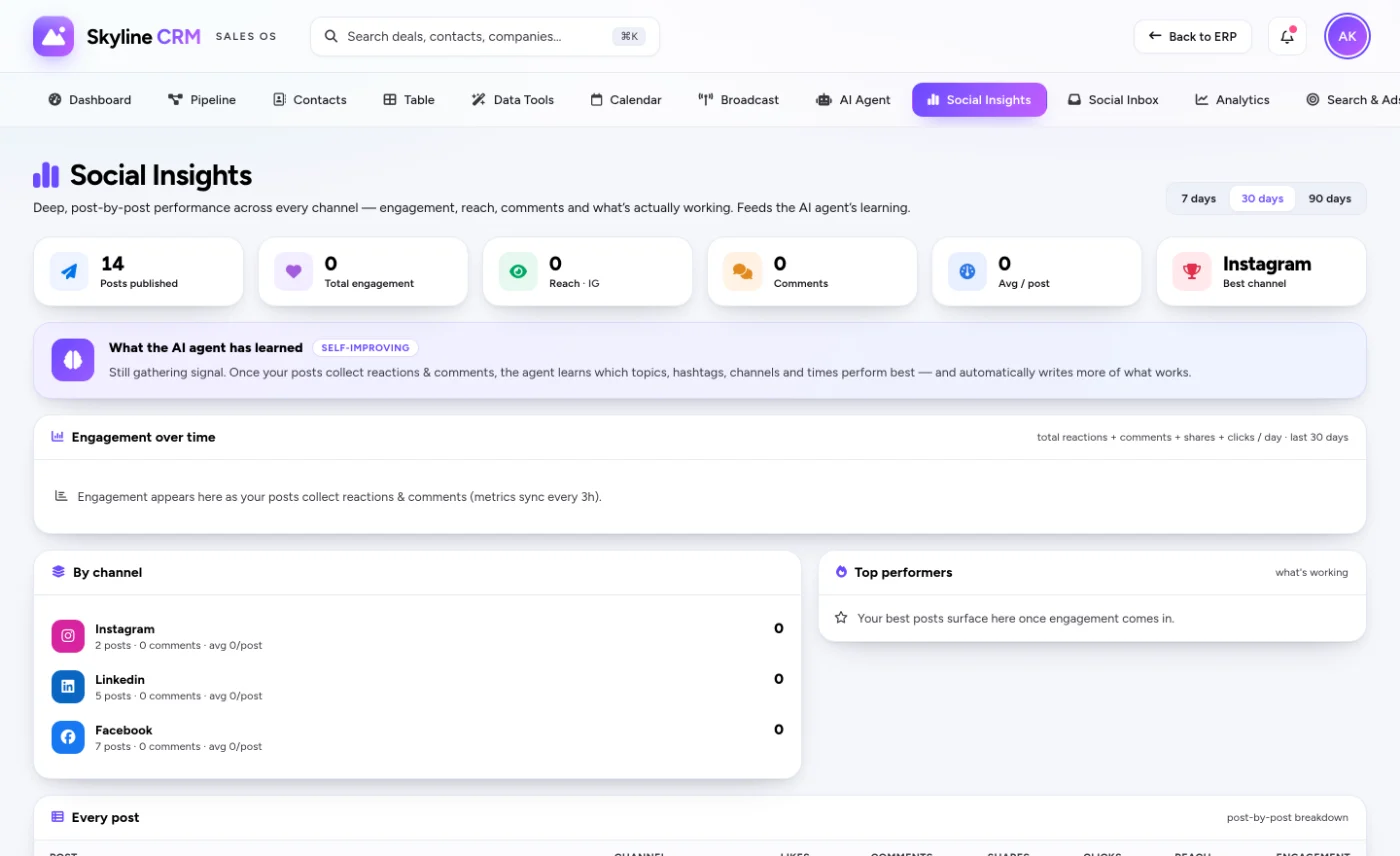
Even on the analytics side, where AI surfaces trends and patterns, the model proposes the insight and a human decides what to do with it. The pattern is consistent: AI augments your team's judgement; it does not replace it.
Deploying generative AI responsibly
- Ground it. Constrain answers to your real documents and data wherever facts matter.
- Gate consequential actions. Anything touching money, contracts, people or public statements gets human approval — the discipline shared with AI workflow automation.
- Mind the data. Prompts carry personal data; design for PDPL and residency — see AI, PDPL and data residency.
- Measure quality. Test against real cases, track error rates, and improve from corrections.
- Be transparent. Let people know when they are talking to AI, and give them a path to a human.
This honest framing is the backbone of the pillar guide to integrating AI into your business software.
Frequently asked questions
Can generative AI be trusted for facts?
Only when it is grounded in your real data and its output is reviewed. On its own it can state wrong things confidently, so consequential facts always need a human check.
Will generative AI replace my staff?
No. It augments your team — handling first drafts and routine volume so people focus on judgement, nuance and relationships. Humans approve the consequential outputs.
What is a hallucination?
A fluent, confident answer that is simply false. It is inherent to how the technology works; the mitigation is grounding and human review, not blind trust.
Is generative AI ready for real business use?
Yes, for drafting, summarising, translating and grounded answering — deployed with the right guardrails and transparency.
How do you stop it leaking sensitive data?
Through grounding on controlled sources, redaction of personal identifiers, residency controls on where the model runs, and choosing access that does not train on your data.
Should I tell customers when they are talking to AI?
Yes. Transparency builds trust rather than eroding it, so we make sure people know when an AI assistant is involved and always give them a clear path to a human. Honesty about what the AI is and is not is part of deploying it responsibly.
Get the upside without the embarrassment
Generative AI will reward businesses that deploy it with clear eyes and burn the ones that believe the hype. Book a free AI consultation and we will help you separate the real opportunities from the over-promises for your specific case. Explore the Skyline AI Integration service to see responsible AI delivered in production.
Comments
0 total · 0 threads